Sound behaves in ways that floor plans rarely predict. A washing machine on its final spin two floors up can sound as though it is in your hallway; a chair dragged across a hard floor at eleven at night can wake a light sleeper three doors away. A television turned up to be heard over a running shower can carry further than the person watching it would ever guess.
Noise is one of the most common sources of friction in a shared community, and one of the easiest things to handle badly. Most disputes turn sour not because the complaint was unreasonable, but because of how and when it was raised. What follows is a practical route: what to note down, how to start a conversation, and who to approach at Larch Court when a conversation does not work.
Start With Information, Not Accusation
Work out what you are actually hearing before you decide who is responsible. Impact noise — footsteps, dropped objects, furniture — travels through the structure and is notoriously hard to place. The flat above is the usual suspect, but the sound can come from next door, from the corridor or from a communal service.
A simple test is to stand in different rooms and listen. If the noise is loudest beside a wall you share with the flat next to you rather than above your ceiling, your upstairs neighbour may be entirely innocent. If it stops when demand for hot water drops, you are probably listening to a pump rather than a person. These two minutes of detective work can save you a great deal of embarrassment.
Then ask whether this is a one-off or a pattern. A single late night during a move or a birthday is a different matter from a washing machine that runs at midnight every Tuesday. Patterns are what make a complaint stand up — and they are also what make a neighbour willing to change a habit, because they show the problem is regular rather than personal.
Look at the building as well. Hard flooring without rugs, an unsealed front door and an unbalanced extractor fan all amplify sound, and sometimes the useful fix is a door seal rather than a difficult conversation. If the noise is mechanical — a lift, a boiler, a pump, a door closer — it is a maintenance issue and belongs with the management team, not with the neighbour you have been quietly blaming.
Before You Decide It Is Deliberate
Most noise that disturbs you is not aimed at you. Shift work, a new baby, a walking frame, a hearing aid that has been left on the table, a carpet being replaced — these produce exactly the sounds that keep other people awake, and none of them are malice. Assuming carelessness rather than intent keeps the first conversation civil, and a civil first conversation is the one that has a chance of working.
Keep a Simple, Factual Log
If you raise the matter, a written record will do more for you than memory ever will. Keep it short and boring; that is the point.
- Date, start time and how long it lasted.
- What you heard, described plainly: "repeated thudding, roughly every two minutes, from around 23:40 to 00:20".
- Where in your home it was most audible, and whether anything else was going on — building works, high wind, a delivery.
- What you did at the time. A note that you knocked politely and got no answer is genuinely useful.
- How it affected you, in one line: sleep lost, an early shift missed, a headache that would not shift.
Aim for two or three weeks of entries before you escalate, unless something is urgent. Keep the notes in a notebook or a single document rather than scattered across your phone.
A log that reads like a diary of grievance is easy to dismiss. A log that reads like a bus timetable is very hard to argue with.
Have the Conversation You Would Want to Have
If you feel safe doing so, speak to the neighbour first. Choose daylight, not the moment the noise is happening. Nobody absorbs feedback well at midnight, standing in a doorway, half asleep and defensive.
Opening lines that work tend to be about the sound and about you, rather than about them and their character:
- "I'm not sure you realise how far the sound carries — could I explain what I hear?"
- "Would it be possible to move the washing machine to earlier in the evening?"
- "I'm a light sleeper and I'm struggling a bit. Can we work out something that suits us both?"
What to Avoid
Do not open with a list of everything the person has ever done. Do not threaten, do not complain through a note pushed under a door if you can speak instead, and do not recruit other neighbours to your side before you have said a word to the person themselves. If the conversation happens and goes badly, you can still escalate later — but you cannot un-say a first impression.
When Talking Does Not Work
Escalation is not an overreaction. It is simply the next rung. At Larch Court the sensible order is usually:
- Raise it with the neighbour directly, once, calmly.
- If nothing changes, report it to the building management or concierge team, with your log attached.
- Ask whether mediation is available. A neutral third party changes the tone of a stuck conversation.
- For persistent noise that seriously affects your home, contact your local council's environmental health or out-of-hours noise team. They can investigate whether a statutory nuisance exists — usually by asking you to keep the very log you have already been keeping.
- Antisocial behaviour powers exist, but they are a last resort for a small minority of cases, not a first step for a washing machine.
Keep every report in writing where you can, and note who you spoke to and when. A paper trail is not aggression; it is the only way a pattern becomes visible to people who do not live in your flat.
If You Are the Neighbour Being Asked to Quiet Down
Being told you are noisy is uncomfortable, and the instinct is to defend. Try to resist it for a moment. Ask what the person is hearing, when, and where in their home it is worst. You may discover something you genuinely did not know — that the washing machine on the far wall sits directly above their bedroom, or that the bathroom fan runs for twenty minutes after you switch the light off.
Then test it. Move the machine, buy a rug and some felt pads, fit a draught excluder, wear headphones after ten, and agree a quiet window that suits you both. Most of these cost very little and solve the problem outright.
Looking After Your Own Peace in the Meantime
While a complaint is working its way through, you still have to sleep. Earplugs, a white noise app, moving your bed to the quietest wall and closing doors can take the edge off. So can realistic expectations: some transmission of sound between homes is normal, and no building is silent. What matters is whether the noise is unreasonable, regular and affecting your daily life — and that is precisely what your log will show.
Handle it early, handle it factually, and handle it as though your neighbour might one day be the person who takes in your parcel or waters your plants. In a shared building that assumption is usually right.
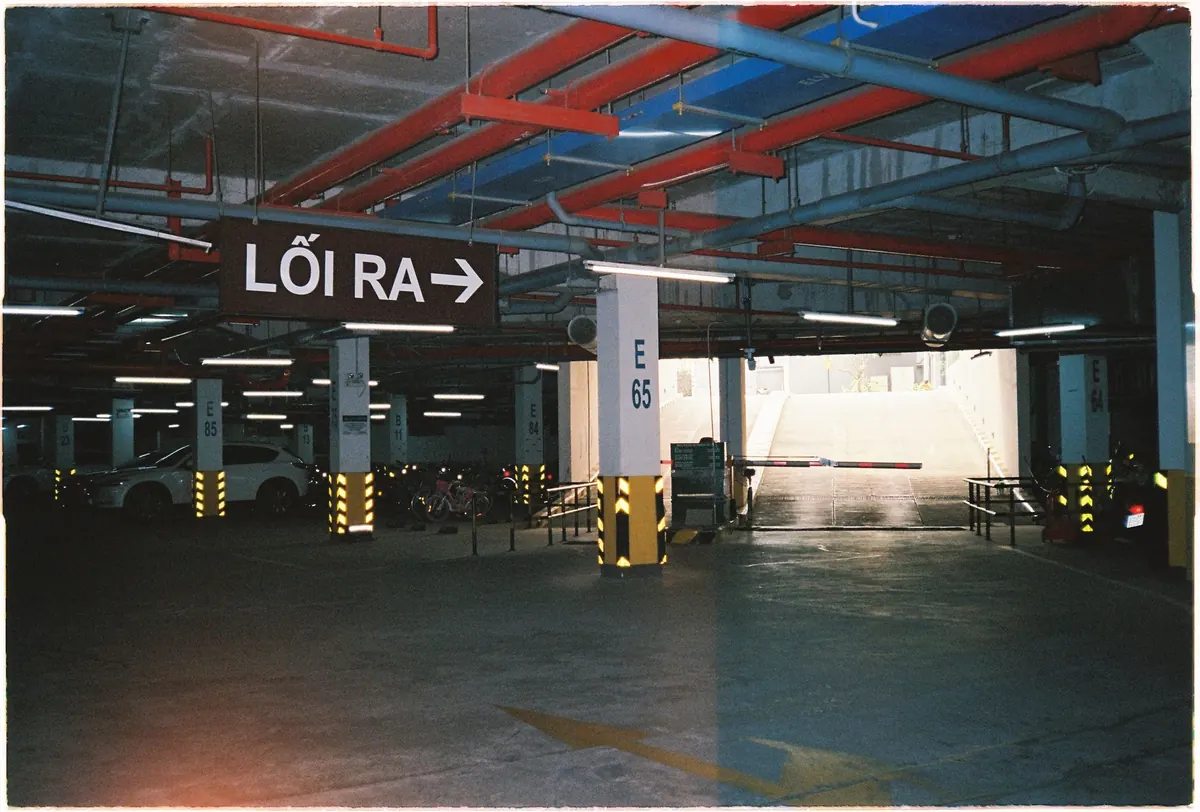
Photo: Mr-Bozen / Pixabay