Someone mentions a summer barbecue in the lift. By the following week the idea has grown into a quiz night, a bring-and-share supper and a children's treasure hunt. That is how most good community events start at Larch Court — with a small conversation and a lot of goodwill. The bit in between, the planning, is where things either sail along or stall. This guide walks through the practical side: choosing and booking a space, setting a budget that does not rely on guesswork, getting the word out, and checking the things that can go wrong before they do.
Start with the shape of the event
Before you book anything, write down four things on a single sheet of paper: what the event is, who it is for, roughly how many people you expect, and what time it finishes. Those four answers determine almost everything else, including which space you need and what it will cost.
Be realistic about numbers. A "come if you can" barbecue can attract anywhere from fifteen to eighty people depending on the weather and whether it clashes with a bank holiday. If you plan for the lower figure and it doubles, you need a contingency. If you plan for the higher figure and twelve people turn up, you have spent money you did not need to spend.
It also helps to decide early whether the event is for residents only or whether guests are welcome. That single decision affects capacity, noise, insurance and how you advertise.
Booking the right space
Most residential communities have a handful of usable spaces: a communal lounge or function room, an outdoor green or courtyard, a shared kitchen, sometimes a guest suite or meeting room. Each has quirks worth knowing before you commit.
Questions to ask before you book
- Capacity: how many people can comfortably stand and sit in the space, allowing for tables and a serving area?
- Access: can you get in early to set up, and how late can you stay to clear up?
- Facilities: is there a working kitchen, power sockets, decent lighting, heating or shade?
- Rules: are there restrictions on music, alcohol, cooking, decorations or furniture being moved?
- Cost: is there a hire fee, a deposit, or a charge for extra cleaning or a caretaker?
Book in writing, even if the arrangement is informal. A short email confirming the date, times, space and any conditions protects everyone. Keep a copy, and let whoever manages the building know who the named contact is on the day.
If the event is outdoors, have a wet-weather plan from the start rather than on the morning. Moving a barbecue into a small lounge because of rain rarely goes well.
Setting a budget that holds up
Community events do not need to be expensive, but they do need to be honest about costs. Write a simple two-column list: what you expect to spend, and where the money is coming from.
Typical costs include food and drink, disposable plates and cups, decorations, hire of tables or a bouncy castle, cleaning afterwards, and a small float for odds and ends. Income might come from a ticket price, a suggested donation, a bring-and-share format where everyone contributes a dish, or a modest contribution from a residents' fund if one exists.
A few habits keep budgets sensible:
- Set a spending limit before you buy anything, and stick to it.
- Buy non-perishables early, but leave fresh food to the last day.
- Ask for receipts and keep them together in one envelope or folder.
- Assume some people will not pay on the night, and price accordingly.
- Decide in advance what happens to any surplus — carrying it forward to the next event is usually the easiest answer.
Be careful with cash handling. Nominate one person to hold the money, record what comes in and goes out, and share a short summary afterwards. If your event involves anything beyond a few pounds, it is worth checking whether your residents' association or building management has its own guidance on handling funds, and taking proper advice if the sums grow.
Advertising without shouting
A well-attended event is usually one that has been mentioned in more than one place. Relying on a single poster in the lobby catches the people who already read it.
Use a mix of channels: a printed notice by the main entrance and in the lift, a message in any residents' group chat or email list, a note under doors for the closest neighbours, and word of mouth in the car park or by the bins. Keep the details identical everywhere — date, time, place, cost if any, and who to contact.
Say clearly what people should bring or do. "Bring a dish to share" is far more useful than "bring something". If you need numbers for catering, give a deadline for replies and a name and number to reply to.
A reminder two or three days before the event lifts attendance noticeably. So does a friendly knock on the door of anyone who has recently moved in.
Risk checks worth doing
None of this needs to be bureaucratic, but a ten-minute walk-through before the event prevents most problems.
- Fire and exits: keep doorways, corridors and fire doors clear, and know where the nearest exits are.
- Trip hazards: tape down cables, mop up spills, and keep the floor around serving tables tidy.
- Food safety: keep cold food cold, hot food hot, label dishes with allergens where you can, and do not leave food sitting out for hours.
- Children: agree who is watching whom. A paddling pool, a bouncy castle or a barbecue all need an adult keeping an eye.
- Alcohol: if drink is involved, keep it sensible, know how people are getting home, and be clear about finishing times.
- Noise and neighbours: tell the people nearest the venue in advance, and agree an end time you actually keep to.
- First aid: know where the nearest kit is and have at least one person who is comfortable taking charge if something happens.
If your event is large, involves children's entertainment, sells alcohol, plays amplified music or uses outside contractors, check with the building management or your residents' committee about what is expected. Where public liability, licensing or food hygiene rules might apply, it is sensible to take proper advice rather than assume. For anything with real financial or legal weight, speak to a qualified professional.
Running the day and closing it down
On the day, give people jobs. One person on the door, one on food, one on music, one on clearing up. Shared tasks make the event feel like everyone's, and they stop one organiser from doing everything while everyone else enjoys themselves.
Build clearing up into the plan. Set an end time, then allow half an hour to stack chairs, bag rubbish, wipe surfaces and check nothing has been left behind. Return the space as you found it — or better. Take a couple of photographs if you want material for the next notice.
Afterwards, send a short thank-you message with a line about what happens next, and note down what worked and what did not while it is fresh. Then have a proper break before someone mentions the next one.
The practical checklist
Keep it short: agree the idea and the numbers, book the space in writing, set a budget with a spending limit, advertise in at least three places, walk the venue for hazards, share out the jobs, and clean up properly. Do those things and a resident-run event at Larch Court becomes far less stressful and far more likely to be repeated. The best community events are rarely the most ambitious ones — they are the ones that actually happen.
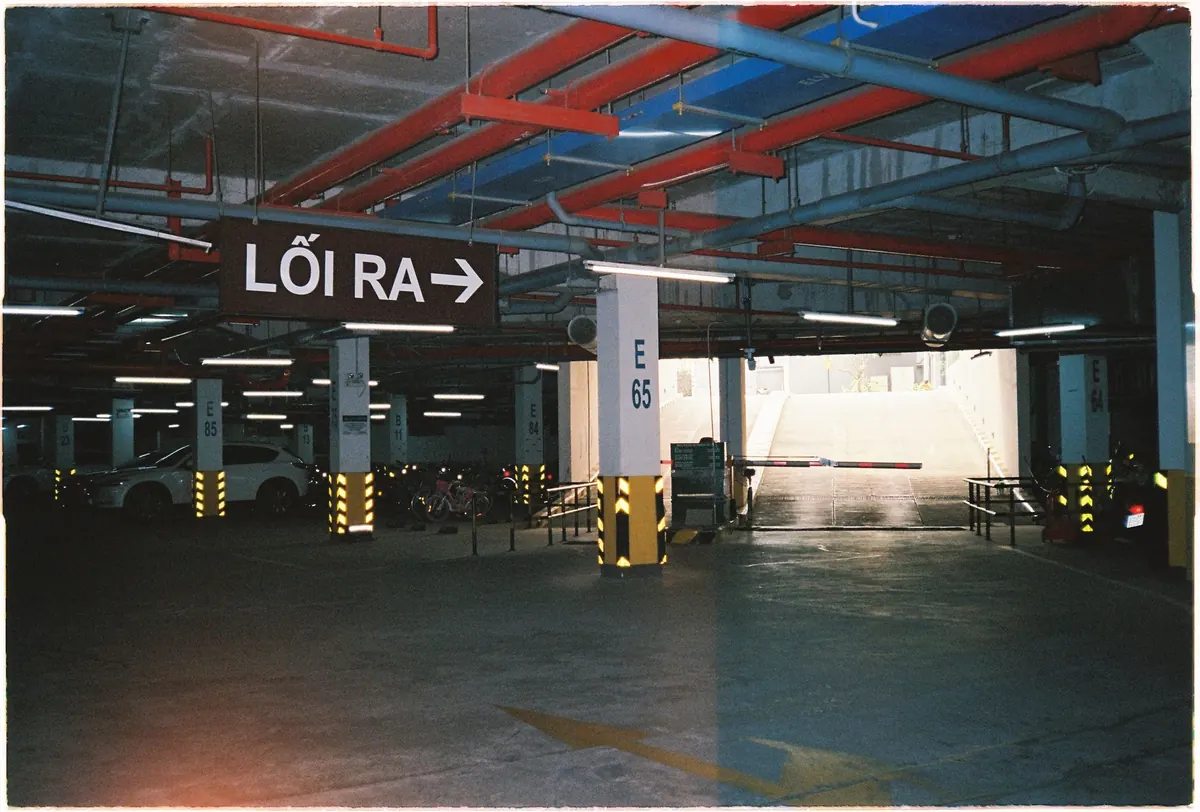
Photo: Mylene2401 / Pixabay